Image 1 of 1
Electric Blue Acara (5-6CM)
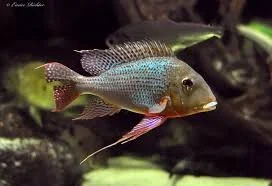
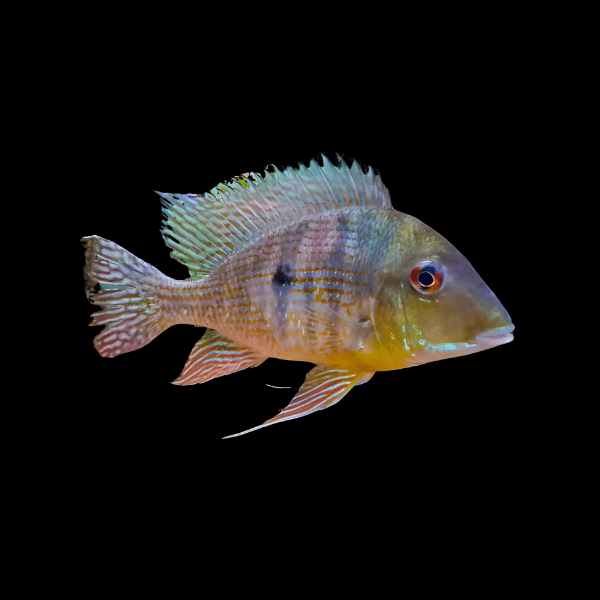
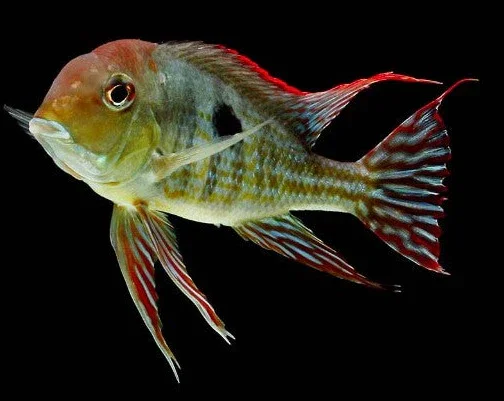
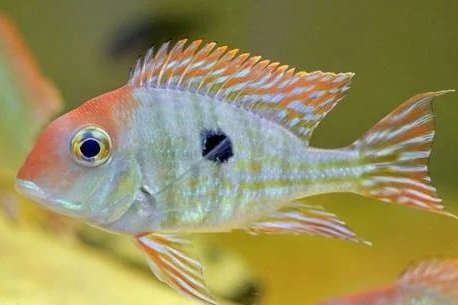
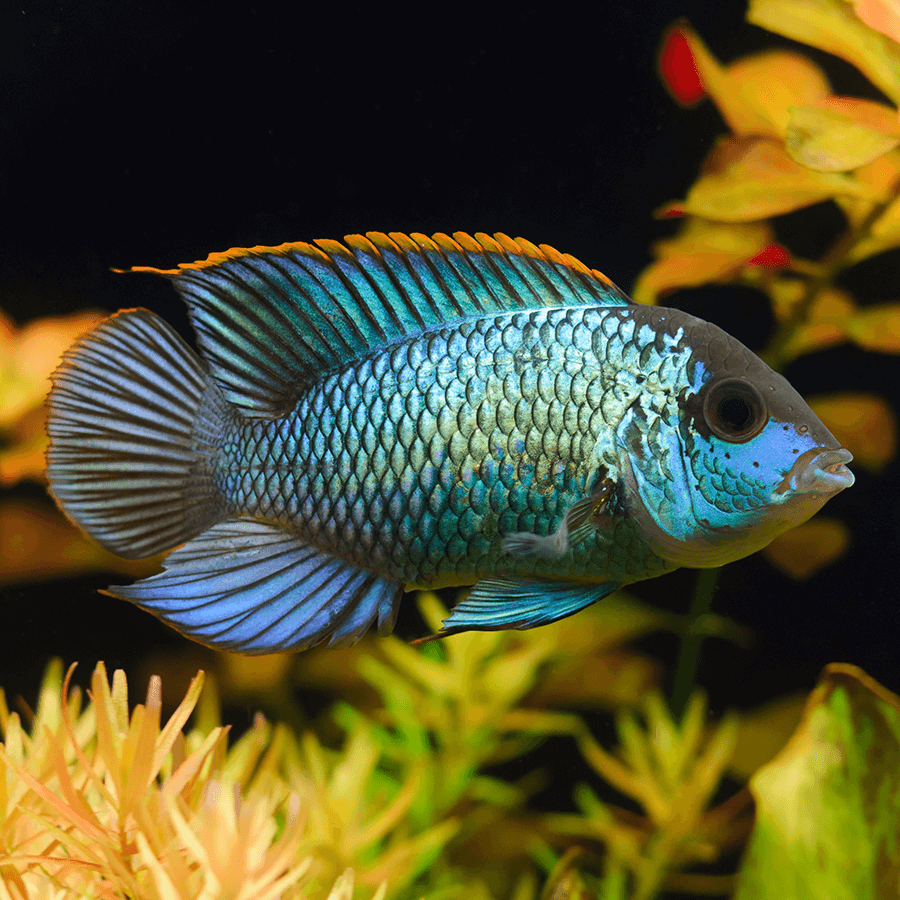
Electric Blue Acara are one of the most popular Acaras in the hobby, a bright blue with distinct orange finnage.
Common name(s):
Electric Blue Acara.
Scientific name:
Andinoacara pulcher
Family:
Cichlidae.
Colour:
Blue, Orange and Black
Native habitat:
Mid and upper reaches of the Andes mountain chain in Trinidad and Tobago
Potential lifespan:
5-10 years.
Maximum size (approx.):
Males 13cm.
Females 10cm.
Degree of difficulty to keep:
For slightly more experienced fishkeepers.
Swimming level:
Bottom / deeper areas.
Breeding:
Egg layer.
Sex:
Males are bigger, more colourful and have more extended fins than females.
Temperature:
22-28°c.
Water parameters:
pH 6.5-8.0 for tank bred specimens. Wild caught fish will do go to 4.0.
Hardness 0-10°dGH.
Keep nitrate levels low.
Feeding:
A mix of flakes, granules, and for a treat, live or frozen tropical foods.
Minimum aquarium size:
100cm long.
Cohabitation:
Best kept in small groups for the species to pair off themselves.
Suitable to keep with all small community fish including Tetra’s, Danio’s, Barbs, Rasboras, and Corydoras.
Can also be kept with Discus, Angelfish, other similar temperament cichlids.
Other tips and information:
Good filtration.
Regular partial water changes.
If intending on breeding this species, add some caves or plant pots in different areas of tank for the fish to choose their own place to spawn.
Electric Blue Acara are one of the most popular Acaras in the hobby, a bright blue with distinct orange finnage.
Common name(s):
Electric Blue Acara.
Scientific name:
Andinoacara pulcher
Family:
Cichlidae.
Colour:
Blue, Orange and Black
Native habitat:
Mid and upper reaches of the Andes mountain chain in Trinidad and Tobago
Potential lifespan:
5-10 years.
Maximum size (approx.):
Males 13cm.
Females 10cm.
Degree of difficulty to keep:
For slightly more experienced fishkeepers.
Swimming level:
Bottom / deeper areas.
Breeding:
Egg layer.
Sex:
Males are bigger, more colourful and have more extended fins than females.
Temperature:
22-28°c.
Water parameters:
pH 6.5-8.0 for tank bred specimens. Wild caught fish will do go to 4.0.
Hardness 0-10°dGH.
Keep nitrate levels low.
Feeding:
A mix of flakes, granules, and for a treat, live or frozen tropical foods.
Minimum aquarium size:
100cm long.
Cohabitation:
Best kept in small groups for the species to pair off themselves.
Suitable to keep with all small community fish including Tetra’s, Danio’s, Barbs, Rasboras, and Corydoras.
Can also be kept with Discus, Angelfish, other similar temperament cichlids.
Other tips and information:
Good filtration.
Regular partial water changes.
If intending on breeding this species, add some caves or plant pots in different areas of tank for the fish to choose their own place to spawn.