 Image 1 of 1
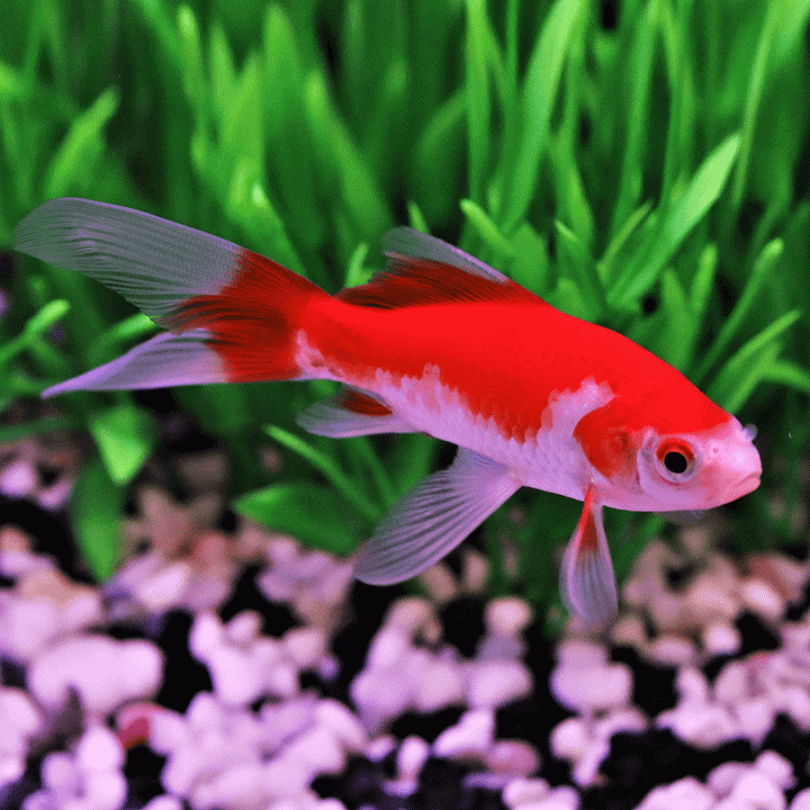
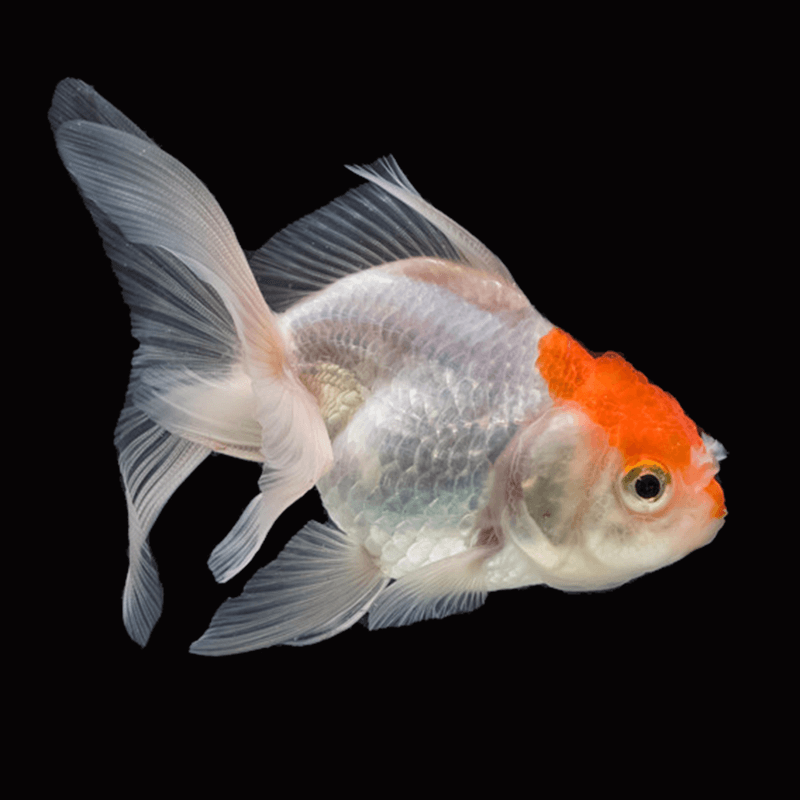
Red Cap Fantail Oranda fancy Goldfish
£5.00
Only 1 left in stock
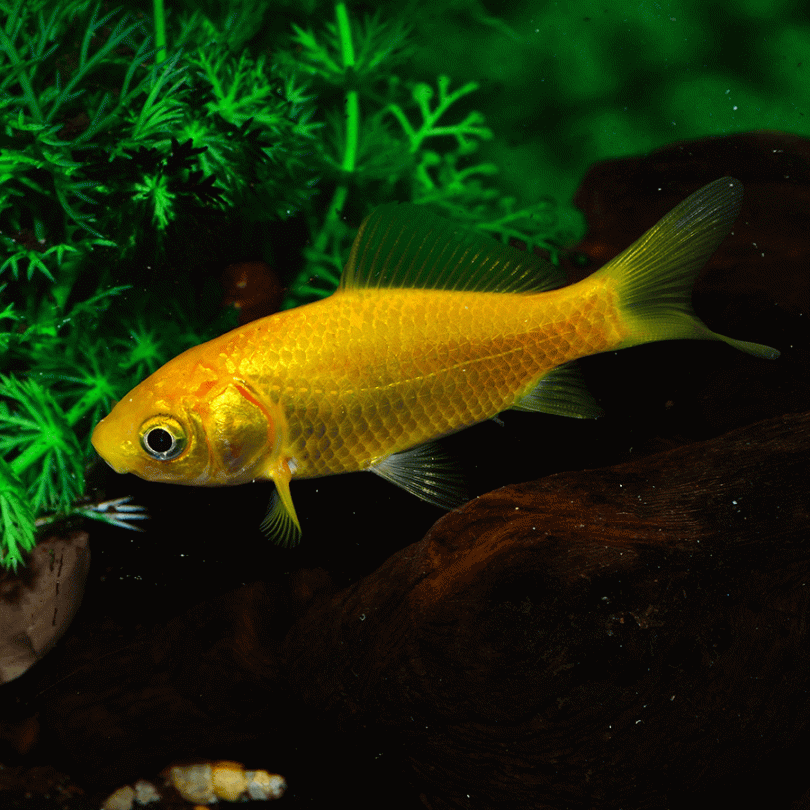
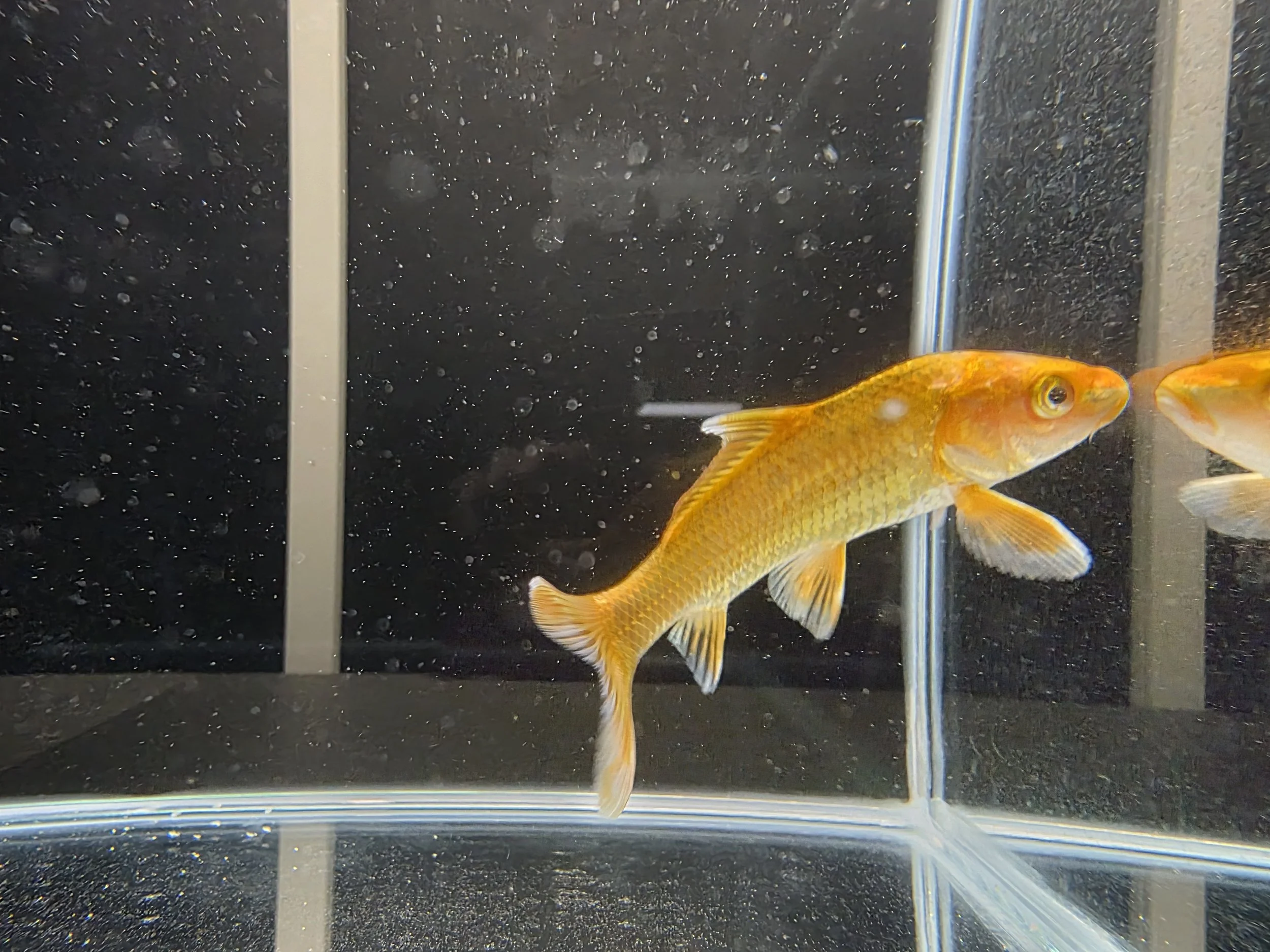
The Red Cap Fantail Oranda is a selective bred strain of fancy Goldfish.
Fancy goldfish are large, messy fish that eventually need spacious aquaria to thrive. Feed a variety of specialist foods to avoid digestive problems that effect buoyancy
Like any goldfish, fancies will benefit from a seasonal drop in temperature and this can be provided by either moving them indoors in late autumn, or positioning their aquarium in a room that experiences cool room temperatures during the winter. Fancy goldfish are notoriously messy fish; they are voracious eaters and continually stir up the substrate in their ongoing search for food. Such considerable amounts of waste can lead to water quality issues in smaller aquaria if not monitored very closely. Efficient filtration that can handle copious solids is essential, and weekly partial water changes are advised in order to keep nitrate to a minimum. The water should be well-oxygenated (of particular importance during warmer spells of weather) and this is easily achieved by the use of spray-bar returns from filters or the use of air pumps. Various species of robust plants can be added to the aquarium, but these will likely require periodic replacement due to them being uprooted/eaten
Water Parameters:
Temperature: 10 - 28 Celsius
PH: 7.0 - 8.0 PH
Carbonate Hardness: 4 - 20 DKH
General Hardness: 4 - 125GDH
The Red Cap Fantail Oranda is a selective bred strain of fancy Goldfish.
Fancy goldfish are large, messy fish that eventually need spacious aquaria to thrive. Feed a variety of specialist foods to avoid digestive problems that effect buoyancy
Like any goldfish, fancies will benefit from a seasonal drop in temperature and this can be provided by either moving them indoors in late autumn, or positioning their aquarium in a room that experiences cool room temperatures during the winter. Fancy goldfish are notoriously messy fish; they are voracious eaters and continually stir up the substrate in their ongoing search for food. Such considerable amounts of waste can lead to water quality issues in smaller aquaria if not monitored very closely. Efficient filtration that can handle copious solids is essential, and weekly partial water changes are advised in order to keep nitrate to a minimum. The water should be well-oxygenated (of particular importance during warmer spells of weather) and this is easily achieved by the use of spray-bar returns from filters or the use of air pumps. Various species of robust plants can be added to the aquarium, but these will likely require periodic replacement due to them being uprooted/eaten
Water Parameters:
Temperature: 10 - 28 Celsius
PH: 7.0 - 8.0 PH
Carbonate Hardness: 4 - 20 DKH
General Hardness: 4 - 125GDH