 Image 1 of 1
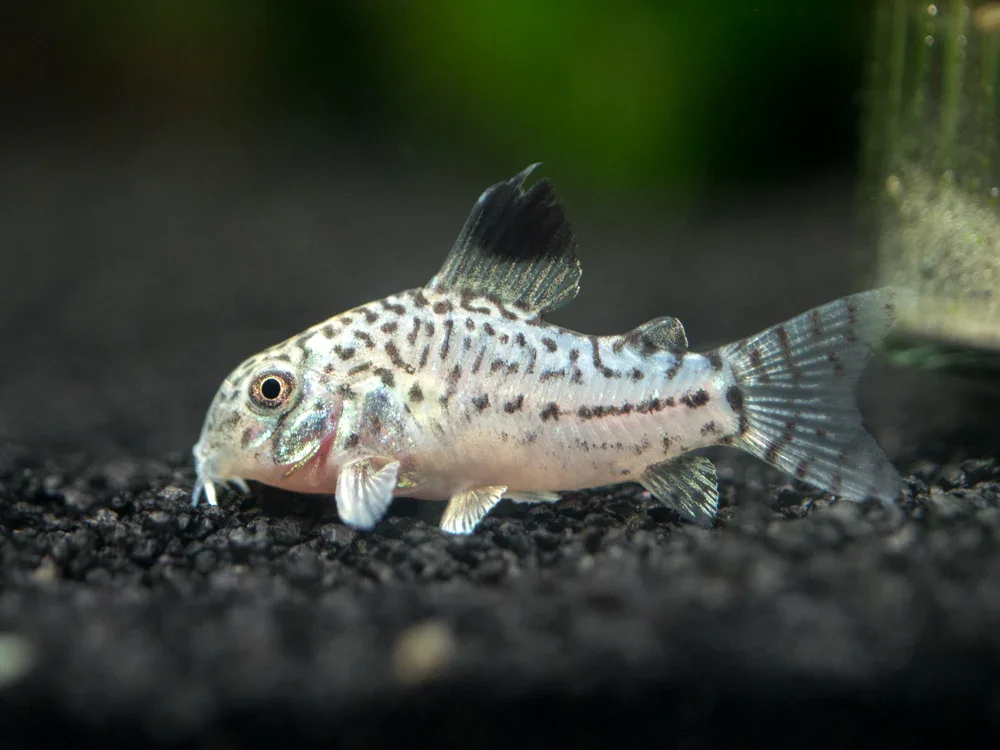
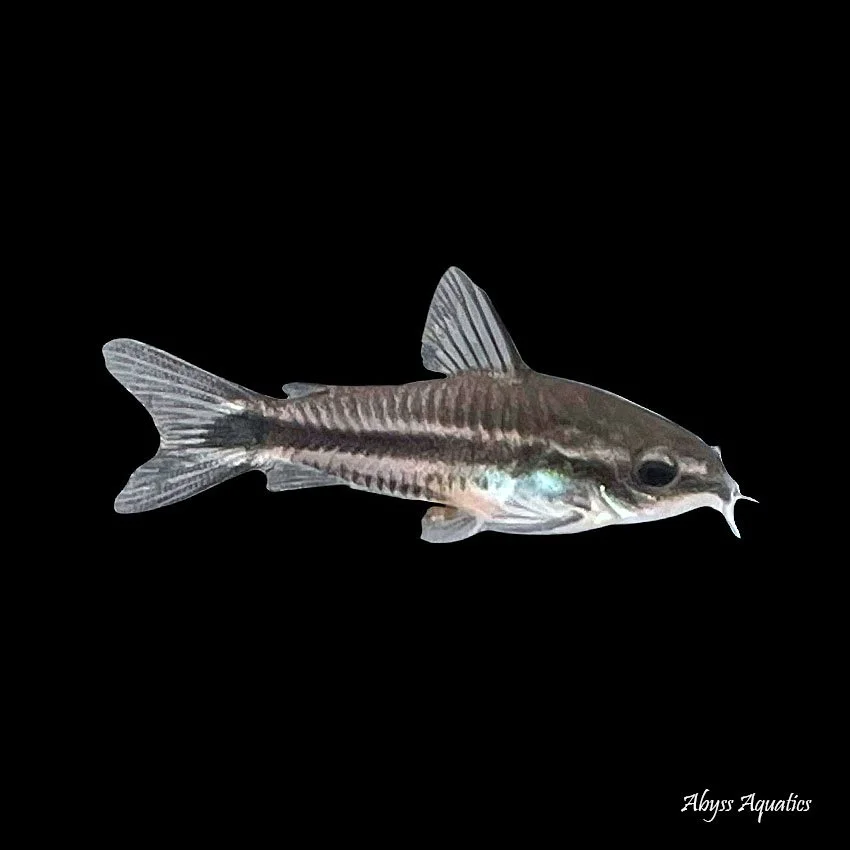
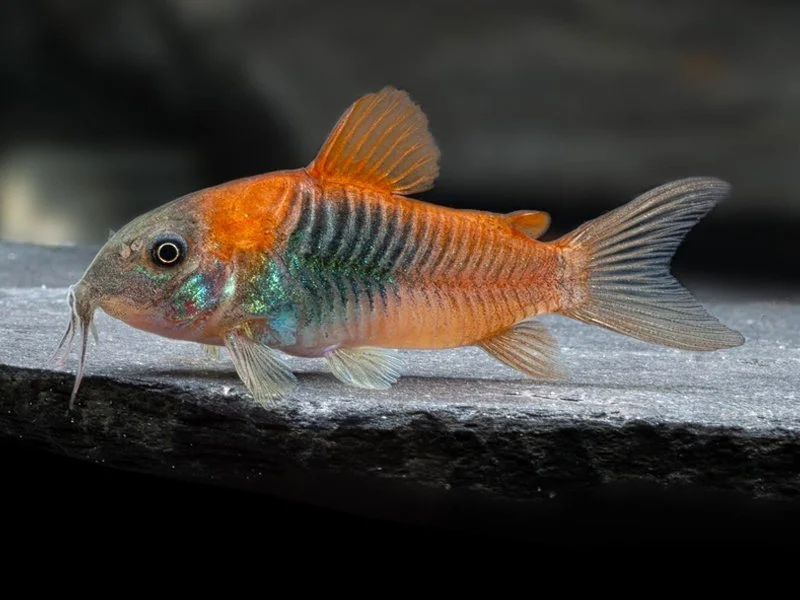
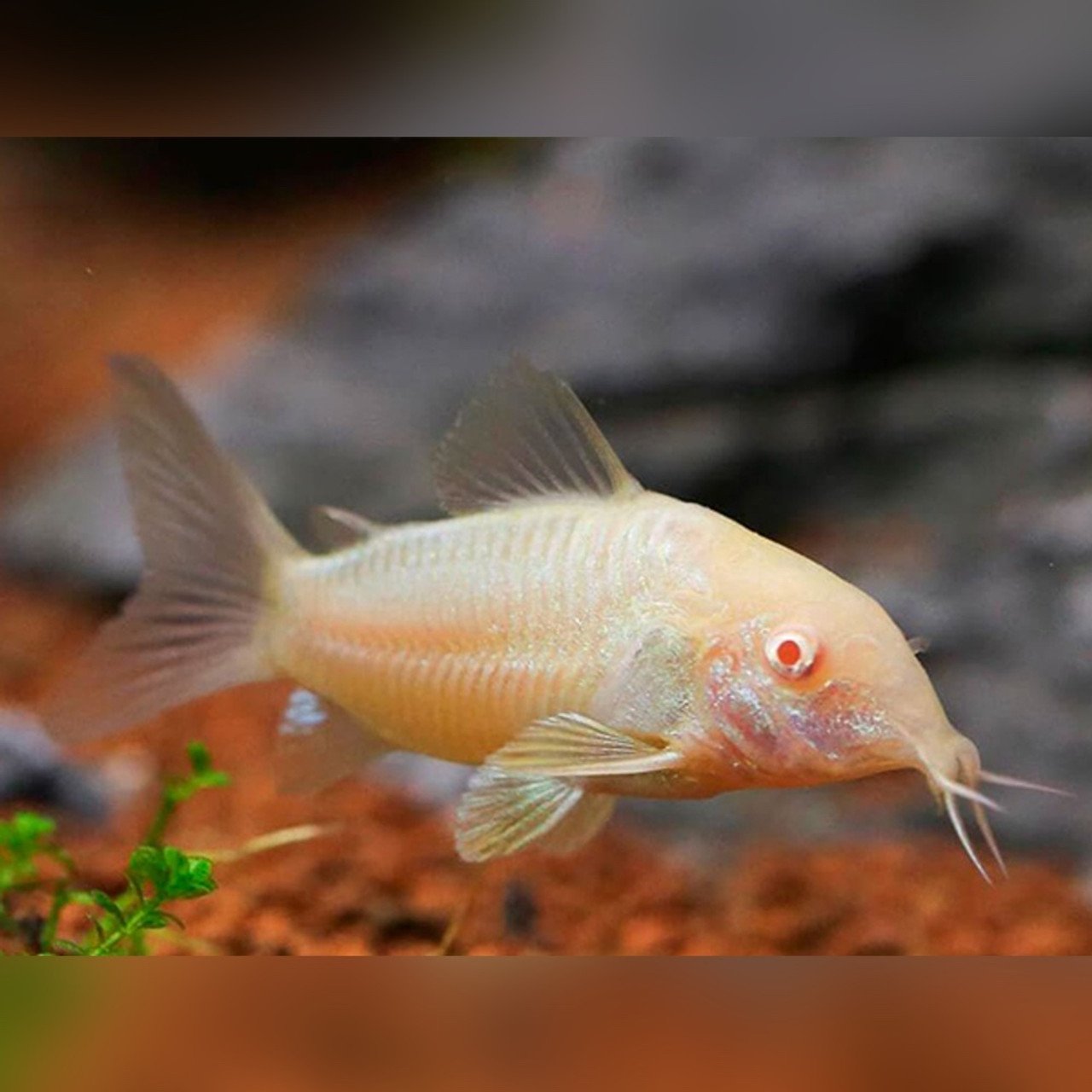
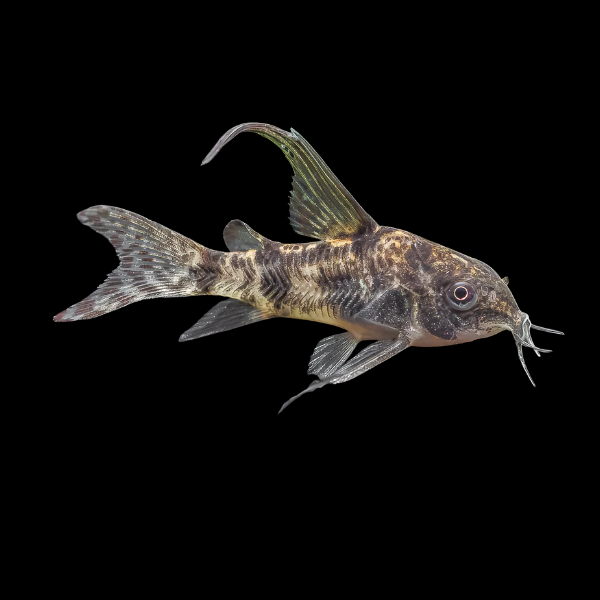
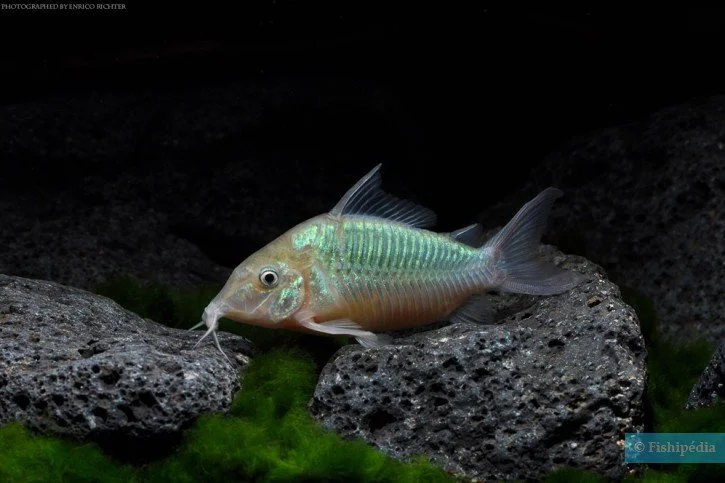
Brochis Splendens, or Emerald Catfish as they are commonly known, are often confused with Corydoras, (sometimes called a false-Cory). They are very similar in many ways, most notably having a longer head and snout.
These too are peaceful, busy, schooling catfish suitable for all small and medium sized community set ups.
They come from shallow waters in South America and will spend time in all levels of the aquarium.
Growing up to 7cm in length, these need to be kept in a tank at least 80cm long and will tolerate a pH level of anywhere between 5.8 and 8.0.
A tank with fine gravel or sand is recommended to help protect the fish’s barbels, along with some plants, rocks, and wood to hide in when desired.
Keep with other community fish and feed a mix of slow sinking granules, catfish pellets, and frozen tropical foods.
Always active during the day, very good at rooting around keeping the tank bottom clean.
Common name(s):
Emerald Brochis.
Emerald Catfish.
Scientific name:
Brochis Splendens.
Family:
Callichthyidae (sub-family Corydoradinae).
Group:
Armoured Catfishes.
Colour:
Metallic green/blue-green body with yellow/pink stomach.
Native habitat:
Rivers and tributaries of the Amazon basin, from Paraguay, through to Brazil, Peru, Ecuador, and Columbia.
Potential lifespan:
4 years.
Maximum size (approx.):
7cm.
Degree of difficulty to keep:
For slightly more experienced fishkeepers.
Swimming level:
Mostly in the bottom / deeper areas but do spend time in mid-water and occasionally pop up on the surface for air too.
Breeding:
Egg layer.
Sex:
Females are larger, having a slightly higher body and larger stomach than the males.
Temperature:
22-28°c.
Water parameters:
pH 5.8-8.0.
hardness 2-30°dGH.
Feeding:
A mix of slow sinking granules, catfish pellets,
Frozen tropical foods such bloodworms, daphnia, brine shrimp.
Minimum aquarium size:
80cm long.
70L.
Cohabitation:
Best kept in groups of 5 or more.
Suitable to keep with most community fish, dwarf, and small cichlids, other small non-predatory catfish.
Do not keep with Oscars or other larger fish that may be tempted to eat them as they could get stuck in the mouth or throat of the aggressor.
Not suitable to be kept with Crabs, Lobsters, Knife Fish, Malawi, Tanganyikan or other rift lake cichlids, Stingrays, and any other similar fish.
Other tips and information:
An excellent alternative to Corydoras, something different that stands out.
Regular water changes (10% per week/25% per fortnight).
Good water flow and filtration are essential.
Make sure plants are either well established or in pots as these creatures love to dig!
Brochis Splendens, or Emerald Catfish as they are commonly known, are often confused with Corydoras, (sometimes called a false-Cory). They are very similar in many ways, most notably having a longer head and snout.
These too are peaceful, busy, schooling catfish suitable for all small and medium sized community set ups.
They come from shallow waters in South America and will spend time in all levels of the aquarium.
Growing up to 7cm in length, these need to be kept in a tank at least 80cm long and will tolerate a pH level of anywhere between 5.8 and 8.0.
A tank with fine gravel or sand is recommended to help protect the fish’s barbels, along with some plants, rocks, and wood to hide in when desired.
Keep with other community fish and feed a mix of slow sinking granules, catfish pellets, and frozen tropical foods.
Always active during the day, very good at rooting around keeping the tank bottom clean.
Common name(s):
Emerald Brochis.
Emerald Catfish.
Scientific name:
Brochis Splendens.
Family:
Callichthyidae (sub-family Corydoradinae).
Group:
Armoured Catfishes.
Colour:
Metallic green/blue-green body with yellow/pink stomach.
Native habitat:
Rivers and tributaries of the Amazon basin, from Paraguay, through to Brazil, Peru, Ecuador, and Columbia.
Potential lifespan:
4 years.
Maximum size (approx.):
7cm.
Degree of difficulty to keep:
For slightly more experienced fishkeepers.
Swimming level:
Mostly in the bottom / deeper areas but do spend time in mid-water and occasionally pop up on the surface for air too.
Breeding:
Egg layer.
Sex:
Females are larger, having a slightly higher body and larger stomach than the males.
Temperature:
22-28°c.
Water parameters:
pH 5.8-8.0.
hardness 2-30°dGH.
Feeding:
A mix of slow sinking granules, catfish pellets,
Frozen tropical foods such bloodworms, daphnia, brine shrimp.
Minimum aquarium size:
80cm long.
70L.
Cohabitation:
Best kept in groups of 5 or more.
Suitable to keep with most community fish, dwarf, and small cichlids, other small non-predatory catfish.
Do not keep with Oscars or other larger fish that may be tempted to eat them as they could get stuck in the mouth or throat of the aggressor.
Not suitable to be kept with Crabs, Lobsters, Knife Fish, Malawi, Tanganyikan or other rift lake cichlids, Stingrays, and any other similar fish.
Other tips and information:
An excellent alternative to Corydoras, something different that stands out.
Regular water changes (10% per week/25% per fortnight).
Good water flow and filtration are essential.
Make sure plants are either well established or in pots as these creatures love to dig!